Why Does System Design Matter for Two-Channel Audio?

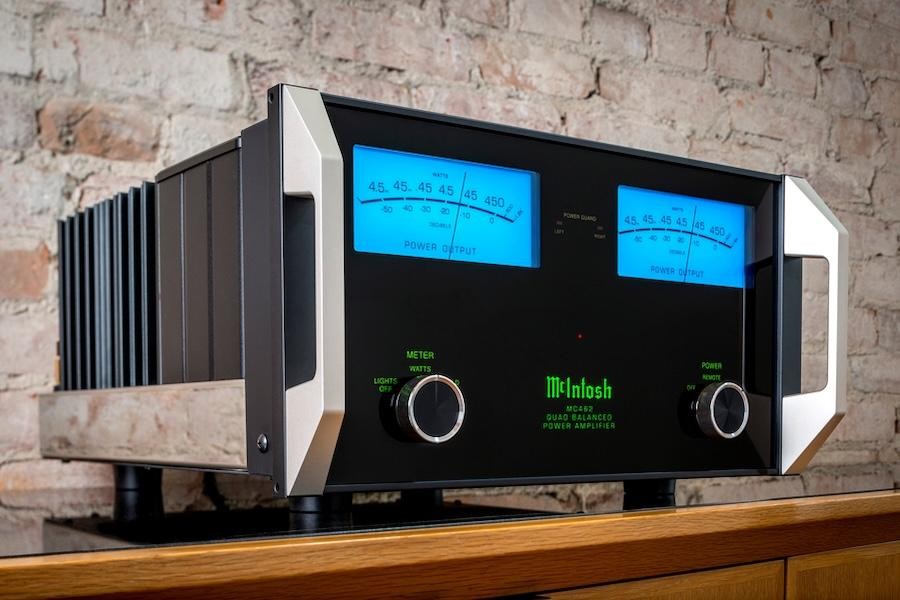
McIntosh MC462 power amplifier with glowing blue watt meters and green logo, set against a rustic brick wall backdrop.

The Best AV Components on Paper Still Need Real System Design to Sing

Two-channel audio is having a moment. Vinyl sales keep climbing, YouTube is full of deep-dive component reviews, and Reddit threads dissecting amplifier topologies and cartridge pairings run for several pages.

If you've been researching a new two-channel setup for your home in the Kansas City area, you've probably already absorbed a fair amount of that research. That's a legitimate starting point, because you have a general idea of what matters most and what doesn’t.

What that online research can't tell you is how those specific system pieces will behave together, in your room, with your speakers, on your audio source. That's a separate discipline from research altogether, and it's the one that decides whether a system sounds the way you imagined it or not. Below, you can learn more about the steps you should take after researching high-performance two-channel audio—keep reading.

Kaleidescape Delivers a True Reference-Level Home Theater Experience

kaleidescape-delivers-a-true-reference-level-home-theater-experience

The Missing Link Between Great Hardware and a Great Picture

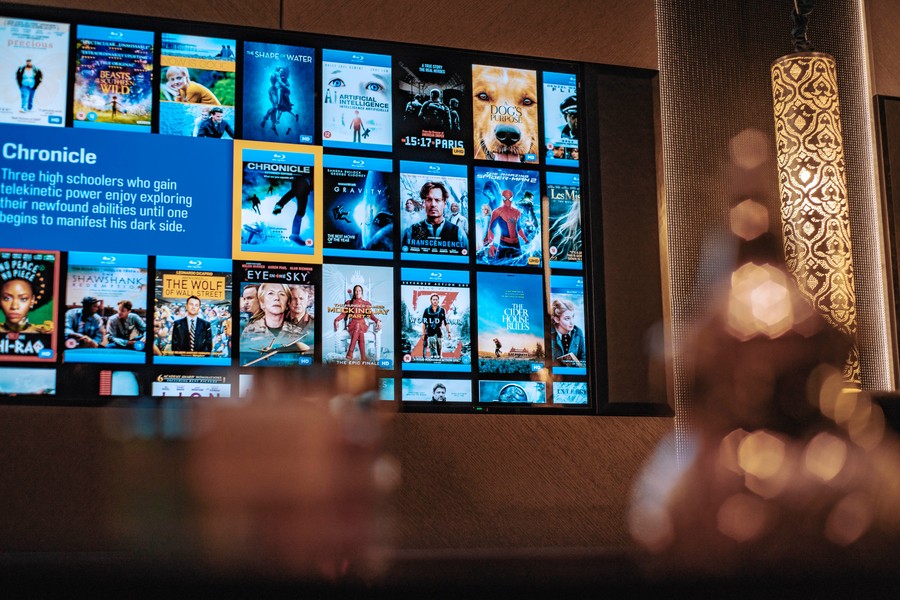
Homeowners invest serious money in a home theater, which might include a calibrated Sony projector, an acoustically treated room, and a JBL Synthesis surround system tuned to hear every detail. Then they press play on the same streaming app running on every living room TV in the neighborhood. The hardware is capable of far more than what's actually reaching the screen and speakers.

That gap comes down to a very important thing: the quality of the source material. A projector can only display the detail it receives, and speakers can only reproduce the audio data they're given. Kaleidescape closes that gap, delivering movies with the color depth, black levels, and lossless sound that reference-grade equipment was built to handle.

Planning a Smart Home? Here's What to Expect

planning-a-smart-home-heres-what-to-expect

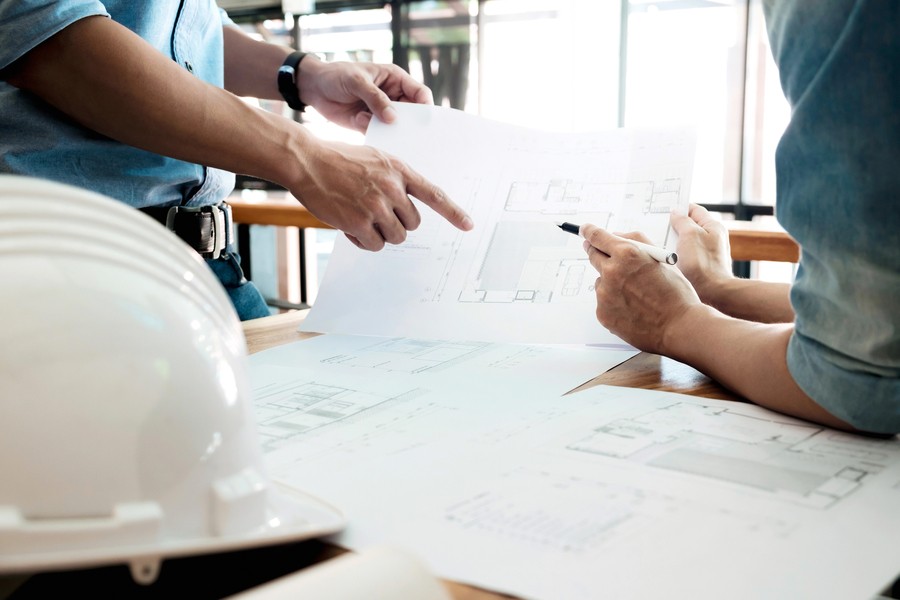
A closer look at the process behind a great smart home.

Bringing smart technology into your home is exciting, especially when you have a clear vision for how you want your spaces to work. At the same time, it’s completely normal to wonder what happens after you reach out to an integration company. Who do you talk to first? How do ideas become a finished system? What can you expect as the project moves forward? The answers often surprise people in the best possible way. 

A professional smart home project follows a clear path that keeps everyone informed and working toward the same goal. If you've been curious about taking the next step, keep reading to see how the experience comes together and why the journey can be just as rewarding as the finished result.

Is a Dedicated Home Theater or Media Room Better for Me? It Depends.

is-a-dedicated-home-theater-or-media-room-better-for-me-it-depends

Finding Your Family’s Perfect Entertainment Fit

Entertainment spaces quickly become the central component of parties, family togetherness, and personal relaxation. For a space that’s so versatile, it’s essential to design it with intention. A common point of discussion arises during the architectural planning phase: choosing between a dedicated home theater or a multi-purpose media room.

The distinction rests on how you intend to host gatherings and the level of performance you desire. While both options provide immense personal pride, they serve different social dynamics and design goals. 

Read along below to learn how understanding these experiential outcomes early during planning will align your system perfectly with your lifestyle needs.


Powered By One Firefly   |    Sitemap   |    Privacy Policy